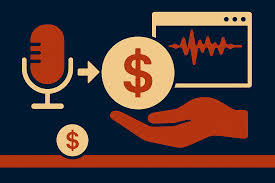
Podcast monetization involves various strategies to generate revenue from your audio content. These include advertising, sponsorships, listener donations, premium content, merchandise, affiliate marketing, and selling your own products or services. The best approach often combines several methods tailored to your audience and content.
Understanding Podcast Monetization
Making money from your podcast is totally possible. It’s not just about having a microphone and a story. It’s about building a connection with your listeners.
When people truly connect with your show, they are often willing to support it. Think of it like your favorite local coffee shop. They make money because people like their coffee and the atmosphere.
Your podcast is similar. The “product” is your content, your voice, and the community you build.
Why does it matter? Well, it helps you keep doing what you love. If you’re spending hours creating episodes, having some income makes it sustainable.
It means you can invest in better equipment, more research, or even dedicate more time to your show. It allows your podcast to grow and reach even more people. Plus, it’s a great way to get recognized for your hard work and expertise.
In this guide, we’ll break down the different ways you can earn from your podcast. We’ll look at the popular methods, some less common ones, and how to figure out what’s best for you. You’ll learn about ads, listener support, and even how to leverage your podcast to sell your own stuff.
By the end, you’ll have a much clearer picture of how to make your podcast financially successful.
My First Podcast Money Moment
I remember my early podcasting days. I was so excited about my topic: local history in my town. I’d spend evenings researching, weekends recording, and nights editing.
My equipment was basic, my editing skills were rough, but I loved it. I had maybe 50 regular listeners, mostly friends and family, plus a few history buffs I’d found online. One day, a local historical society reached out.
They loved the show and asked if they could sponsor an episode. They offered $100 to mention their upcoming lecture series.
I was thrilled! It wasn’t a huge amount, but it felt like validation. It was the first time someone saw value in what I was creating beyond just my own enjoyment.
That $100? I used it to buy a slightly better microphone. It made my audio sound so much clearer.
That one small sponsorship deal showed me that people were willing to pay for access to my audience, even a small one. It opened my eyes to the potential of making money from my podcasting efforts, shifting it from just a hobby to something that could potentially support itself.
Podcast Monetization Quick Facts
What is it? Ways to earn money from your podcast.
Why do it? To make your show sustainable and grow.
Key Idea: Different methods work for different shows.
Audience First: Your listeners are key to any strategy.
Combine Methods: Often, mixing strategies works best.
Advertising and Sponsorships: The Classic Route
Advertising is probably the first thing most people think of when they hear “podcast monetization.” It’s like the ads you hear on the radio or see on TV, but tailored for your listeners. This is where businesses pay you to talk about their products or services.
There are a few ways ads can work in podcasts. You can have pre-roll ads (at the beginning), mid-roll ads (in the middle, often the most valuable), or post-roll ads (at the end). The price you can charge often depends on how many people are listening.
This is usually measured by downloads per episode within a certain timeframe, like 30 days. This metric is called CPM, which means “cost per mille” or cost per thousand downloads. A CPM might range from $15 to $30, but this can vary a lot.
A common way to get these ads is through ad networks. Companies like Midroll, AdvertiseCast, or Megaphone connect podcasters with advertisers. They take a cut, but they handle a lot of the legwork for you.
You just need to meet their minimum download numbers, which can be quite high.
Another option is direct deals. This is when you find a brand that aligns with your show and audience yourself. You negotiate the terms directly with them.
This can be more work, but you often get a better rate and have more control over the ads you promote. You can also do what’s called host-read ads. This is where you, the host, read the ad copy yourself.
These tend to perform very well because they sound more natural and trustworthy, coming from someone your listeners already know and like.
I once worked with a podcast that had a very niche audience interested in sustainable living. We found a company that made eco-friendly cleaning products. The host of the podcast was great at explaining how the products fit into her daily life.
She read the ad herself. It felt like a natural recommendation, not a forced sales pitch. The company saw great results, and the podcast earned a steady income from this direct partnership.
Ad Types Explained
Pre-roll: At the start of the episode. Usually shorter.
Mid-roll: In the middle. Often the longest and most valuable.
Post-roll: At the end. Good for calls to action.
Host-Read: You read the ad. Feels personal and builds trust.
Dynamically Inserted Ads: Ads added by your host. Can be updated.
Baked-in Ads: Ads permanently edited into the audio file.
Listener Support: The Power of Your Community
If ads aren’t your style, or if your audience is smaller but super engaged, listener support is a fantastic option. This is where your loyal fans help fund your show directly. They believe in what you do and want to see it continue.
Platforms like Patreon are very popular for this. You can offer different membership tiers with perks. These perks could be early access to episodes, bonus content, ad-free versions, Q&A sessions, behind-the-scenes updates, or even shout-outs on the show.
It creates a sense of community and gives your biggest fans exclusive access.
Another platform is Buy Me a Coffee. It’s a simpler model where listeners can make one-time donations, like buying you a virtual coffee. It’s great for shows that might not have a huge number of super-fans but have a steady stream of appreciative listeners.
Some podcasters also use Ko-fi, which is similar.
It’s important to be clear about why you’re asking for support. Explain what the money will be used for. Maybe it’s for better equipment, research costs, or simply to free up your time to create more episodes.
Transparency builds trust. When listeners see that their support makes a tangible difference, they’re more likely to contribute.
I’ve seen this work wonders for many creators. Take a popular storytelling podcast I follow. They don’t run ads at all.
Instead, they have a Patreon with three tiers. The lowest tier gets them early access to episodes. The middle tier gets a bonus mini-episode each month.
The top tier gets a monthly video call with the hosts to discuss the latest episode. Their listeners love the extra content, and the hosts have a predictable income that allows them to focus solely on making great stories.
Listener Support Levels
Bronze ($3/month): Thank you! Early access to episodes.
Silver ($5/month): All Bronze perks plus a monthly bonus episode.
Gold ($10/month): All Silver perks plus Q&A shout-outs.
Platinum ($25/month): All Gold perks plus exclusive behind-the-scenes content.
Premium Content and Memberships
Building on listener support, you can also create exclusive content just for paying members or subscribers. This goes beyond just bonus episodes. It’s about offering something truly special that people can’t get anywhere else.
Think about creating an entirely separate, premium podcast feed. This could be a deep dive into topics you only touch on briefly in your main show. Or perhaps it’s an “ask me anything” series where you answer listener questions in detail.
Some podcasters offer audio courses or masterclasses within their membership.
Another model is offering ad-free versions of your regular episodes. Many listeners dislike ads and are happy to pay a small fee to enjoy your content without interruptions. You can deliver these through specialized podcast apps or platforms that support private RSS feeds for your paying members.
Platforms like Supercast or Memberful can help you manage premium subscriptions. They allow you to set up different membership levels and deliver content directly to your subscribers. This gives you more control over your revenue streams and your community.
A friend of mine hosts a podcast about personal finance for young adults. She started a premium tier on her website. For a small monthly fee, members get access to her exclusive spreadsheets for budgeting and investing.
They also get a monthly live webinar where she answers their specific financial questions. She told me that this premium content has become her main source of income because her listeners find so much practical value in it.
Ideas for Premium Content
- Ad-free versions of regular episodes.
- Exclusive bonus episodes or mini-series.
- Deep dives or extended interviews.
- Q&A sessions or “Ask Me Anything” episodes.
- Audio courses or workshops related to your niche.
- Behind-the-scenes content or personal updates.
- Early access to all episodes.
Merchandise: Wear Your Brand, Sell Your Brand
Merchandise is a fantastic way to let your listeners show their love for your podcast and also generate income. It turns your listeners into walking billboards for your show!
What kind of merchandise can you sell? The possibilities are pretty broad. T-shirts, hoodies, mugs, stickers, notebooks, tote bags – these are all popular choices.
You can put your podcast logo on them, a funny quote from an episode, or a catchphrase your listeners love.
There are several ways to handle merchandise. You can design the items yourself and then use a print-on-demand service. Companies like Printful, Teespring, or Redbubble handle the printing, shipping, and customer service for you.
You just upload your designs, set your prices, and they do the rest. This is great because you don’t have to buy inventory upfront.
Alternatively, if you have a larger audience and want more control, you can work with a local printer or a dedicated merchandise company. You might buy stock in bulk and handle shipping yourself or through a fulfillment center. This can offer higher profit margins but requires more upfront investment and management.
The key to successful merchandise is creating designs that resonate with your audience. They should be cool, funny, or meaningful. Think about inside jokes from your podcast or graphics that represent your show’s theme.
When listeners wear your merch, they feel like part of an exclusive club.
I have a friend who has a podcast about classic video games. He created T-shirts with pixelated versions of characters from his favorite old games. He also made mugs with retro controller designs.
His audience loved it! They shared pictures of themselves wearing the shirts and using the mugs on social media. It not only brought in money but also created a buzz and attracted new listeners who saw the cool merch.
Popular Podcast Merch Ideas
- Apparel: T-shirts, hoodies, hats.
- Drinkware: Mugs, water bottles.
- Accessories: Stickers, keychains, tote bags.
- Stationery: Notebooks, journals, pens.
- Tech Gear: Phone cases, laptop sleeves.
- Home Goods: Posters, coasters.
Affiliate Marketing: Earning Through Recommendations
Affiliate marketing is a smart way to earn money by recommending products or services that you genuinely use and love. When your listeners purchase something through your unique affiliate link, you earn a commission.
How does it work? You partner with a company that has an affiliate program. You’ll get a special link or code.
When you mention a product or service on your podcast, you tell your listeners to use your link or code. The company tracks the sales that come through your link, and you get paid a percentage of those sales.
Many companies, both big and small, have affiliate programs. Amazon Associates is a very popular one, allowing you to link to millions of products. There are also specific affiliate networks like ShareASale, CJ Affiliate, or Rakuten Advertising that represent many different brands across various industries.
The most effective affiliate marketing happens when your recommendations feel authentic. Don’t just push products for the sake of earning a commission. Talk about things that genuinely benefit your audience and fit your podcast’s theme.
If you host a cooking podcast, recommend your favorite kitchen gadgets. If you have a business podcast, recommend productivity software.
You can mention these in your episodes, put links in your show notes, or even create a dedicated “resources” page on your website. It’s crucial to be transparent with your audience. Always disclose that you are using affiliate links and that you may earn a commission if they make a purchase.
This builds trust.
A podcast I listen to focuses on travel. The hosts often talk about their favorite travel gear, booking sites, and insurance providers. They have affiliate links for everything in their show notes.
They are very upfront about it, saying things like, “If you book your hotel through this link, we might get a small commission at no extra cost to you, which helps us keep the show going.” Their listeners appreciate the helpful recommendations and are happy to support the show through these links.
Affiliate Marketing Tips
Be Authentic: Only promote what you truly use and recommend.
Know Your Audience: Recommend products they’ll find useful.
Be Transparent: Always disclose affiliate relationships.
Use Clear Calls to Action: Tell listeners where to find your links.
Track Your Results: See what promotions are working best.
Selling Your Own Products or Services
This is where your podcast can become a powerful marketing tool for your own business. If you have a product or service to sell, your podcast is a direct line to potential customers.
What could you sell? This depends entirely on your expertise and your audience’s needs. If you’re a coach or consultant, your podcast can showcase your knowledge and attract clients.
You can offer discovery calls or sign-ups for your coaching programs. If you’ve created an online course, your podcast can be the perfect platform to promote it. You can offer discounts to your listeners or give them a taste of the course content.
Maybe you’ve written an ebook or a physical book. Your podcast can drive sales to your books. You can discuss topics from your book and encourage listeners to purchase it for more in-depth information.
Some podcasters even create physical products related to their niche. For example, a gardening podcast might sell organic seeds or gardening tools. A fitness podcast might sell workout plans or branded resistance bands.
The key here is to ensure your podcast provides genuine value. It should educate, entertain, or inspire your audience. When listeners trust your expertise and see the quality of your content, they will be more open to buying from you.
Your podcast acts as a powerful trust-builder and lead generator.
I know a podcaster who is an expert in public speaking. His podcast is filled with tips and strategies for improving presentation skills. He regularly mentions his online course, “Speak with Confidence.” He offers a discount code to his podcast listeners.
Many of his listeners, impressed by his free advice, have signed up for his paid course. His podcast essentially acts as his best sales funnel, warming up leads and establishing his authority.
Leveraging Your Podcast for Sales
- Showcase Expertise: Offer valuable free content.
- Promote Your Services: Talk about coaching, consulting, or speaking.
- Sell Digital Products: Ebooks, online courses, templates.
- Sell Physical Products: Branded items, niche-specific goods.
- Drive Traffic: Link to your website or online store in show notes.
- Offer Listener Discounts: Exclusive deals for your audience.
Other Creative Monetization Ideas
Beyond the main methods, there are some other creative ways podcasters find success. These often depend on your specific niche and audience.
Live Events: If you have a strong local following or a passionate online community, you could host live podcast recordings or live shows. Ticket sales can be a great source of revenue. These events also create a deeper connection with your fans.
Speaking Engagements: Your podcast can position you as an expert in your field. This can lead to paid speaking opportunities at conferences, corporate events, or workshops. Your podcast acts as a living resume.
Licensing Your Content: If you create unique audio content, you might be able to license it to other media outlets, businesses, or even for use in documentaries or films. This is less common but can be lucrative for certain types of content.
Crowdfunding Campaigns: For specific projects, like producing a documentary series or a special season of your podcast, you could run a crowdfunding campaign on platforms like Kickstarter or Indiegogo. This rallies your community for a shared goal.
Data and Research: In some very niche industries, aggregated, anonymized data from listener surveys or demographics might be valuable to market research firms. This is quite advanced and requires careful handling of privacy.
I know a podcast that focuses on obscure historical events. They ran a successful Kickstarter campaign to fund a special multi-episode series about a forgotten historical figure. Their listeners loved the idea and contributed generously to make it happen.
It allowed them to produce higher-quality content than they could have afforded on their own and created a significant buzz.
Creative Revenue Streams
- Live Shows: Ticket sales for in-person or virtual events.
- Webinars/Workshops: Paid educational sessions.
- Paid Newsletters: Exclusive content delivered via email.
- Consulting: Using podcast authority to get clients.
- Book Sales: Promoting your own published works.
- Donations Jar: Simple, one-off tip jar.
Choosing the Right Monetization Strategy for You
So, with all these options, how do you pick what’s best for your podcast? It’s not a one-size-fits-all answer. You need to consider a few things.
First, think about your audience. Who are they? What are their interests?
How engaged are they? A younger, student audience might be more receptive to Patreon donations or merch. A professional audience might be more willing to pay for premium content or subscribe to a paid newsletter.
If your audience is very niche, direct sponsorships from relevant businesses might work well.
Second, consider your content. Is your show highly educational? Then selling courses or ebooks might be a great fit.
Is it entertaining and personality-driven? Then merchandise or listener support could be strong options. If you review products, affiliate marketing is a natural choice.
Third, look at your download numbers. While not the only factor, many advertising models rely on a certain volume of downloads. If you have fewer than 1,000 downloads per episode, ads might not be the most effective route yet.
In that case, focus on building community support or selling your own products.
Fourth, think about your own comfort level. Are you happy talking about products? Or do you prefer to keep your show ad-free and rely on listener support?
It’s important that the monetization methods you choose feel authentic to you and don’t compromise the integrity of your show.
Finally, don’t be afraid to experiment. You can start with one or two methods and see how they perform. As your podcast grows and your audience evolves, you can add or adjust your monetization strategies.
Many successful podcasts use a combination of methods. For example, they might have sponsorships for their main episodes, offer bonus content on Patreon, and sell merchandise.
I’ve seen podcasters start with just affiliate links in their show notes and gradually add a Patreon page as their audience grew and expressed a desire for more content. Another podcaster I know started with listener donations and then, as their authority grew, began selling their own online course. It’s a journey, and flexibility is key.
Choosing Your Path: Key Questions
Who is my listener? (Demographics, interests, spending habits)
What is the core value of my content? (Education, entertainment, inspiration)
How engaged is my audience? (Active community, loyal fans)
What are my personal preferences? (Comfort with ads, desire for direct sales)
What are my current download numbers? (Helps gauge ad potential)
What resources do I have? (Time, skills, budget)
What This Means for You: Real-World Implications
Understanding these monetization methods is crucial for any podcaster looking to make their show sustainable. It means you don’t have to rely solely on passion to keep creating. There are tangible ways to earn income that align with your content and audience.
For example, if you host a podcast about crafting, you might find that affiliate marketing for craft supplies works well. You can show off a project you made, mention the specific materials, and provide your affiliate link. If your audience loves it, they’ll buy through your link, and you earn a commission.
If you have a podcast about productivity, you could offer a premium membership that includes exclusive templates for planners or task management. This provides direct value that listeners will pay for, and it reinforces your expertise in the productivity space.
It also means you can invest back into your podcast. That extra income could go towards better microphones, soundproofing, editing software, or even hiring an editor. This leads to a higher quality show, which attracts more listeners, creating a positive feedback loop.
When it’s normal to consider monetization? It’s normal to think about it once you have a consistent audience and a clear idea of who they are. You don’t need tens of thousands of listeners to start.
Even a few hundred highly engaged listeners can support a show through donations or memberships. It’s about connection, not just numbers.
When should you worry? You should worry if your monetization efforts feel pushy or detract from the content. If you’re constantly bombarding your listeners with ads or sales pitches, they’ll tune out.
The goal is to integrate monetization in a way that feels natural and adds value, or at least doesn’t detract from the listener experience.
Simple checks you can do: Are your listeners engaging with your calls to action? Are your affiliate sales tracking? Is your Patreon community growing?
Are people buying your merch? These are all good signs that your monetization strategy is working.
Quick Tips for Getting Started
Ready to start earning from your podcast? Here are some simple steps:
- Define Your Audience: Get a clear picture of who listens to your show.
- Pick One or Two Methods: Don’t try to do everything at once. Start small.
- Be Transparent: Always tell your audience how you’re making money.
- Focus on Value: Ensure your monetization efforts add or don’t detract from value.
- Put Links in Show Notes: Make it easy for listeners to find your offers.
- Create a Dedicated Page: Have a “Support Us” or “Resources” page on your website.
- Talk About It: Mention your monetization methods naturally in your episodes.
- Be Patient: Building income takes time.
I often tell new podcasters, “Start with what feels easiest and most natural for you.” If you’re already using a product you love, sign up for its affiliate program. If you have a core group of super-fans, set up a Patreon. The simplest approach is often the best place to begin.
Frequently Asked Questions About Podcast Monetization
What’s the easiest way to start making money from a podcast?
The easiest ways often involve listener support platforms like Patreon or Buy Me a Coffee. These require less upfront setup than advertising networks and allow you to connect directly with your most engaged fans. Promoting affiliate products you already use and love is also a straightforward starting point.
Do I need a lot of listeners to make money?
Not necessarily! While advertising models often rely on high download numbers, other methods like listener donations, premium content, and selling your own products or services can be very effective with a smaller, highly engaged audience. Quality of engagement often matters more than sheer quantity.
How much money can I expect to make?
This varies wildly. Some podcasters make a few dollars a month, while others earn six figures or more. It depends on your niche, audience size and engagement, the monetization methods you use, and how effectively you implement them.
Consistency and providing value are key to increasing your earnings over time.
Should I use ads or listener support?
It depends on your audience and your comfort level. If your audience is large and diverse, ads can work well. If your audience is smaller but very passionate and wants to support you directly, listener support is often a better fit.
Many podcasters use a combination of both.
How do I disclose affiliate marketing to my listeners?
Transparency is vital. Always verbally mention in your episode that you are using affiliate links and that you may earn a commission if listeners make a purchase through them, at no extra cost to them. You should also clearly state this in your show notes.
When is the right time to start monetizing my podcast?
You can start thinking about monetization once you have a consistent show and a growing, engaged audience. You don’t need thousands of listeners. If you have a dedicated group who love your content, listener support options are viable early on.
For advertising, you’ll typically need more downloads.
Conclusion: Your Podcast’s Financial Future
Making money from your podcast is achievable. It takes planning, consistency, and a deep understanding of your audience. By exploring various methods like advertising, listener support, merchandise, affiliate marketing, and selling your own offerings, you can build a sustainable future for your show.
Remember to always prioritize value and authenticity. Your listeners are your greatest asset, and by serving them well, you pave the way for financial success. Keep creating, keep connecting, and explore the paths that best fit your unique podcasting journey.