Ever wondered if you could make a living from blogging? It’s a question many aspiring writers and entrepreneurs ask. The dream of sharing your passion online and earning a steady income is appealing.
But what’s the real story behind blogger earnings? It’s not always a simple answer. Income varies a lot.
This guide will break down how bloggers make money. We’ll look at different income sources. You’ll learn what affects how much they earn.
We aim to give you a clear picture of blogger income in today’s online world. You’ll understand what’s possible and what it takes.
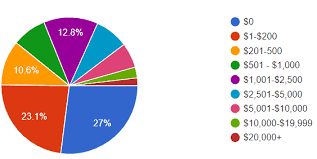
Blogger income per month can range from almost nothing to tens of thousands of dollars. Factors like niche, audience size, traffic, monetization methods, and content quality play a big role. Most new bloggers earn little initially, while established ones with large, engaged audiences can achieve significant monthly earnings.
What Influences Blogger Income?
The amount of money a blogger makes each month is not set in stone. Many things change how much money comes in. Think of it like a garden.
You need the right soil, sun, and water for plants to grow. Bloggers need the right mix of factors to earn well.
One big factor is the blogging niche. Some topics are more profitable than others. For example, finance or tech blogs might attract advertisers willing to pay more.
This is because their audience has spending power. Lifestyle or personal blogs might need different ways to make money. Audience engagement also matters greatly.
Audience size is key. More readers usually mean more potential income. But it’s not just about numbers.
The quality of your audience is vital. Are they engaged? Do they trust your recommendations?
Are they likely to buy things you suggest? A small but loyal group can be more valuable than a large, uninterested one.
Traffic sources also impact earnings. Where do your readers come from? Organic search traffic from Google is often very valuable.
This shows readers are actively looking for your content. Social media traffic can be good too. But it might be less targeted.
Direct traffic, where readers type your URL, shows brand loyalty.
Monetization methods are the ways bloggers actually earn cash. Using several methods is common. This spreads risk and increases potential earnings.
Content quality is the foundation for all these. Without good content, attracting and keeping readers is hard.
Common Ways Bloggers Make Money
Bloggers have many ways to earn income. It’s not just one thing. Most successful bloggers use a mix of these.
This helps them earn more and stay stable. Let’s explore the main methods.
1. Advertising Revenue
This is one of the oldest ways. Bloggers put ads on their site. When readers see or click ads, the blogger gets paid.
Google AdSense is a popular starting point for this. Many bloggers join ad networks. These networks connect them with advertisers.
Ad revenue depends on page views and ad clicks. The more people visit your site, the more ads they see. If they click on ads, you earn more.
The topic of your blog also matters. Finance or high-ticket item niches often pay more per click. This is called Cost Per Click (CPC).
Some networks pay based on impressions. This is Cost Per Mille (CPM), meaning cost per thousand views. Even if no one clicks, you still earn a little when ads are seen.
Having lots of traffic is needed for this to be a big income source. It can be a steady income stream.
2. Affiliate Marketing
This is a very popular method now. Bloggers promote other companies’ products. They use special links called affiliate links.
When a reader clicks this link and buys something, the blogger gets a commission. It’s like a sales commission.
You can promote physical products, like from Amazon. Or you can promote digital products, like online courses. Many companies have affiliate programs.
You need to join them. Then you get unique links to share. Being honest about these links is important.
Disclose that you might earn money.
Success here means recommending products you truly like and use. Your audience needs to trust your judgment. If they buy based on your advice, they are happy.
And you earn money. It requires building trust first. Then, you recommend relevant items.
This can be very profitable.
3. Selling Digital Products
Many bloggers create and sell their own digital items. This is a great way to leverage expertise. Examples include e-books, online courses, printables, or templates.
You create it once, and can sell it many times.
The profit margins are usually high. You don’t have to pay for inventory or shipping. The main cost is your time to create the product.
And marketing it to your audience. It requires a deep understanding of what your readers need.
For example, a cooking blogger might sell a recipe e-book. A business blogger might offer an online course on marketing. This method offers high control over income.
You set the price. You own the product. It shows deep expertise.
4. Selling Physical Products
Some bloggers also sell physical goods. This could be merchandise related to their brand. Or handmade items if their blog is about crafts.
This is more complex than digital products.
You have to deal with manufacturing, inventory, shipping, and returns. It requires more investment and management. But it can build a strong brand.
And offer a tangible connection with your audience. Think of t-shirts, mugs, or specialized tools.
5. Sponsored Content and Brand Partnerships
Brands pay bloggers to feature their products or services. This can take many forms. It could be a sponsored blog post, a review, a social media mention, or a video.
Brands want to reach the blogger’s audience.
This method can pay very well. Especially if you have a strong brand and engaged followers. The key is to work with brands that align with your blog’s values.
And that your audience will find relevant. Transparency is crucial here. Always let readers know when content is sponsored.
I remember getting my first sponsored post offer. It felt surreal. A small company selling organic skincare wanted me to write about their new serum.
I loved their products already. I wrote an honest review. They paid me $200.
It wasn’t a fortune, but it felt like validation. That was the first time I saw real money from sharing my thoughts.
6. Services and Coaching
If your blog showcases expertise, you can offer related services. This might include freelance writing, consulting, web design, or coaching. Your blog acts as a portfolio.
It attracts clients.
For instance, a fitness blogger might offer personal training sessions. A career coach might offer resume reviews. This method often has high income potential.
It directly trades your time and skills for money. It requires excellent communication and client management skills.
7. Memberships and Subscriptions
Some bloggers create exclusive content for paying members. This is common for sites with a strong community feel. Or for those offering in-depth, premium resources.
Readers pay a recurring fee (monthly or yearly) for access. This could be to a private forum, premium articles, exclusive videos, or direct access to the blogger. This creates predictable, recurring income.
Patreon is a platform many creators use for this. It allows fans to support them directly with recurring payments. In exchange, they get perks.
This builds a loyal community around the content.
The Journey of Blogger Income: From Zero to Hero
It’s important to understand that most bloggers don’t make much money at first. The path to significant blogger income is usually a long one. It takes time, effort, and consistency.
Many start with no income for months, even years. They are building an audience. They are creating content.
They are learning what works. This initial phase is about passion and persistence. It’s about building a foundation.
Starting Out: The First Year
Goal: Build Audience & Content
In the first year, focus is on creating great content. You want to attract your first readers. Earnings are often very low or zero.
Maybe a few dollars from ads. Or a small affiliate sale.
Common Earnings: $0 – $100/month
Growing Phase: Years 1-3
Goal: Increase Traffic & Monetize
As traffic grows, you can implement more monetization methods. Affiliate marketing and ads become more viable. You might start selling a small digital product.
Income starts to be more consistent.
Common Earnings: $100 – $1,000/month
Established Blogger: Years 3+
Goal: Scale & Diversify Income
With a solid audience and proven monetization, earnings can grow significantly. You might land brand deals. Launch successful courses.
Or build a membership site. This is where full-time income becomes possible.
Common Earnings: $1,000 – $10,000+/month
These numbers are just estimates. Some bloggers skip steps or grow much faster. Others take longer.
It all depends on the individual blog and their strategies.
Factors Affecting Monthly Earnings
Let’s dive deeper into what truly makes a difference in monthly income. Beyond the basic methods, several subtle factors are at play.
Niche Profitability
Some niches are just naturally more lucrative. This is often tied to the average spending power of the audience interested in that topic. Or the value of the products/services being promoted.
- High-Paying Niches: Personal finance, investing, business, software reviews, high-end travel, luxury goods, health supplements. Advertisers in these areas often pay more. Affiliate commissions can be high.
- Medium-Paying Niches: Parenting, food, fashion, home decor, technology, fitness. These can still earn well with good traffic and strategy.
- Lower-Paying Niches: Hobbies with low-cost items, general news, personal diaries. Earning potential might be lower unless a very large audience is built.
It’s not impossible to earn well in a “lower-paying” niche. You just need a bigger audience or more creative monetization. For example, a niche blog about a rare hobby could still be profitable if it offers unique resources or community.
Audience Engagement and Trust
This is huge. An audience that trusts you is more likely to take your advice. They’ll click your affiliate links.
They’ll buy your products. They’ll engage with sponsored content.
Engagement means comments, shares, and people returning to your blog. It shows they value your content. How do you build trust?
By being authentic. By providing real value. By being honest and transparent.
And by always putting your audience’s needs first.
I once followed a blogger who reviewed budget travel gear. She always tested everything thoroughly. She would point out flaws, even in products she was promoting.
Her readers trusted her so much. When she recommended something, they bought it. Her affiliate income was very high, not because she had millions of readers, but because her few thousand readers bought almost everything she suggested.
Website Traffic Volume and Quality
You need eyeballs to make money. But not all eyeballs are equal. High traffic volume means more potential ad revenue and more potential buyers.
Quality traffic means readers who are genuinely interested in your content.
Search engine optimization (SEO) is crucial for quality traffic. When people search for something on Google, and your blog appears, they are often looking for exactly what you offer. This is high-intent traffic.
Understanding your analytics is key. What pages get the most traffic? Where do visitors come from?
What do they do on your site? This information helps you improve. It helps you grow your income.
Monetization Strategy Diversity
Relying on just one income stream is risky. If that stream dries up, your income disappears. Diversifying is smart.
A mix of ads, affiliate marketing, product sales, and maybe sponsored content creates a more stable income.
Think of it like investing. You don’t put all your money in one stock. You spread it out.
Bloggers should spread out their income sources. This makes their monthly earnings more predictable.
Content Quality and Consistency
This cannot be stressed enough. Without high-quality content, nothing else works. Readers won’t return.
Search engines won’t rank you. Brands won’t partner with you.
High-quality content is informative, engaging, and well-written. It solves a problem or entertains the reader. Consistency means publishing new content regularly.
This keeps your audience engaged. It tells search engines your blog is active and valuable.
What makes content “high quality”? It’s original. It’s well-researched.
It’s easy to read. It answers the reader’s questions. It offers a unique perspective.
Or it provides a new angle on a common topic.
Experience and Authority (E-E-A-T)
Google and readers value experience, expertise, authoritativeness, and trustworthiness. If you’ve actually done something, or have deep knowledge, people trust you more. This is especially true in sensitive niches like health or finance.
Sharing personal stories and demonstrating real-world experience builds trust. For example, if you’re writing about travel, sharing your own travel mishaps and lessons learned makes your advice more credible.
Being an authority means people see you as a go-to source. This comes from consistent, high-quality content over time. And often, from building a reputation outside your blog too, like speaking at events or being interviewed.
Blogger Income Examples: What Do Real Bloggers Make?
It’s hard to give exact figures because bloggers are private about income. And it varies so much. But we can look at general ranges and case studies.
These give a realistic idea.
New Bloggers (0-1 Year)
Most new bloggers earn very little. They are still learning. Building traffic takes time.
Their monthly income might be anywhere from $0 to $100. Some might earn nothing for a full year.
This is often the phase where they are investing time. They are building their audience. They might be running ads with low CPMs or getting a few small affiliate sales.
It’s a labor of love at this stage.
Intermediate Bloggers (1-3 Years)
As traffic grows, income starts to climb. Bloggers with consistent content and good SEO might see $500 to $2,000 per month.
This is when they might start getting better ad rates. Affiliate marketing becomes more substantial. They might launch a simple digital product like an e-book.
Some might get their first small sponsored post deals. This income can start to supplement a part-time job.
Full-Time Bloggers (3+ Years)
Bloggers who have built a strong brand and audience can earn a full-time income. This can range from $3,000 to $10,000+ per month.
Some top bloggers earn much more. We’re talking six figures annually. They often have diversified income streams.
This includes premium courses, successful brand partnerships, high-traffic ad revenue, and popular digital products. They have teams helping them.
I know a food blogger who started small. She focused on healthy, quick recipes. Within four years, she had a massive email list.
She had a popular cookbook deal. She ran cooking classes online. Her monthly income was easily over $15,000.
She had built a real business around her blog.
Very Successful Bloggers/Influencers
At the highest level, earnings can be astronomical. Think $50,000 to $100,000+ per month. These individuals are often more than just bloggers.
They are media brands.
They might have multiple blogs, popular YouTube channels, successful product lines, book deals, speaking engagements, and large social media followings. They have employees and operate like businesses.
It’s important to remember these are exceptions. Most bloggers earn a modest income. Some do it as a hobby.
Others build it into a part-time side hustle. A smaller percentage achieve full-time, high-income careers.
Real-World Context: Bloggers in American Homes
Blogging is a part of the modern online economy. Many people in American homes use blogs for information, entertainment, and shopping. The earning potential is tied to how well a blogger serves these needs.
Consider the average American household. They might search online for recipes, home repair tips, parenting advice, or financial planning. Bloggers who provide reliable, easy-to-understand answers in these areas can capture this audience.
For instance, a blogger living in a suburban home in the Midwest might focus on gardening tips relevant to that climate. Their audience would be local or regional. They might earn through local business sponsorships or affiliate sales of gardening tools.
Their income might be modest but consistent.
On the other hand, a blogger in a major city might focus on urban lifestyle or career advice. Their audience could be national or international. They might have higher earning potential due to a larger, more diverse audience pool and more opportunities for brand partnerships.
The “American dream” narrative often includes entrepreneurship. Blogging fits this well. It allows individuals to build something from scratch.
They can work from home. They can create their own income streams. This flexibility is a big draw.
However, the U.S. market is competitive. Many blogs cover similar topics.
Standing out requires unique value, strong branding, and effective marketing. Search engines like Google are the primary gatekeepers for traffic. Understanding SEO is therefore crucial for most American bloggers aiming for significant income.
What This Means For You: When is Blogger Income Normal?
Understanding blogger income is about setting realistic expectations. What’s “normal” depends on your stage and your goals.
When Blogger Income is Normal
- Starting out: Earning $0 to $100 a month in the first year is very normal. You are building.
- Side Hustle: Earning $500 to $1,500 a month after 1-3 years is a good sign of growth. This can be a nice supplement.
- Full-Time Career: Earning $3,000 to $10,000+ per month after 3-5 years shows significant success. This is achievable with dedication.
It’s normal for income to fluctuate. Some months are better than others. Seasons can affect traffic and sales.
Promotions you run can boost income temporarily.
When to Worry (or Re-evaluate)
- No Growth: If you’ve been blogging consistently for over a year and see no traffic growth or income at all, something needs to change.
- Stagnant Income: If your income has been stuck at the same low level for months, despite consistent effort, it might be time to analyze your strategy.
- Burnout: If you’re working hard but not seeing results, it can be discouraging. This is a sign to maybe simplify or seek help.
Worry is the wrong word. Think of it as an opportunity to learn and adapt. The online world changes quickly.
Your strategy might need an update.
Simple Checks for Your Blog’s Income Potential
- Niche Appeal: Are people searching for topics in your niche? Is there commercial interest?
- Audience Size & Engagement: Are you getting consistent traffic? Are readers commenting and sharing?
- Monetization Mix: Are you using multiple income streams? Or relying too heavily on one?
- Content Quality: Is your content truly valuable and unique?
- SEO Basics: Are you optimizing your posts for search engines?
These checks can help you pinpoint areas for improvement. They guide your next steps.
Quick Fixes & Tips for Boosting Blogger Income
If you’re looking to increase your blogger earnings, here are some practical tips. These are things you can start implementing.
- Improve Your Site Speed: A slow website frustrates visitors. It also hurts your search engine ranking. Use tools to check and improve your site’s loading time.
- Optimize for Mobile: Most people browse on phones. Ensure your blog looks and works perfectly on mobile devices.
- Build an Email List: Email marketing is powerful. Offer a freebie (like a guide or checklist) to get people to sign up. Then, you can communicate directly with your most loyal readers.
- Refresh Old Content: Update old blog posts with new information and better SEO. This can bring them back to life in search results.
- Learn Basic SEO: Understand keywords, on-page optimization, and link building. This is fundamental for driving organic traffic.
- Network with Other Bloggers: Connect with others in your niche. You can learn from them, collaborate, and gain support.
- Analyze Your Data: Use Google Analytics to see what’s working. Double down on successful content types and traffic sources.
- Be Patient and Persistent: Success rarely happens overnight. Keep creating great content and promoting it consistently.
These are not magic bullets. They are consistent efforts that build over time. They improve your blog’s overall performance and earning potential.
Frequently Asked Questions About Blogger Income
How much do bloggers make per month on average?
The average monthly income for bloggers varies widely. New bloggers might earn $0-$100. Established bloggers can earn $1,000-$5,000+.
Top earners can make $10,000+ per month. It depends heavily on niche, traffic, and monetization.
Is blogging still a profitable way to make money in 2025-2026?
Yes, blogging can still be very profitable. The key is adapting to changes. Focus on providing unique value, building an engaged audience, and using diverse monetization strategies.
Search engines and social media continue to be important traffic sources.
What is the easiest way for a new blogger to start earning?
For new bloggers, starting with affiliate marketing and basic display ads (like Google AdSense) is often the easiest entry point. Focus on creating helpful content consistently. As traffic grows, other methods like selling digital products become viable.
How many page views do you need to make a decent income?
There’s no magic number for page views. It depends on your monetization. For ad revenue alone, you might need tens of thousands of page views per month to see substantial income.
For affiliate marketing or selling products, a smaller, highly engaged audience can be very profitable with fewer page views.
Can you make a full-time living from a niche blog?
Absolutely. Niche blogs can be incredibly profitable because they attract a very targeted audience. If you can serve that audience well and monetize effectively (e.g., with specialized affiliate products or own digital products), a niche blog can certainly support a full-time income.
How long does it take to see significant income from blogging?
For many, it takes 1-3 years to see consistent, meaningful income. Some may achieve it faster with a unique strategy or exceptional circumstances. Others may take longer, or earn supplemental income rather than a full-time wage.
Consistency is key.
Conclusion: Your Blogging Income Journey
The world of blogger earnings is diverse and dynamic. It’s a journey that rewards patience, passion, and smart strategy. There’s no single answer to “how much do bloggers make,” because every blogger’s path is unique.
Focus on creating value for your readers. Build a loyal community. Explore different ways to earn money.
With consistent effort and a willingness to learn, you can build a successful and profitable blog.